Water and Sewer Utility Operations & Management Functions
Utility Management
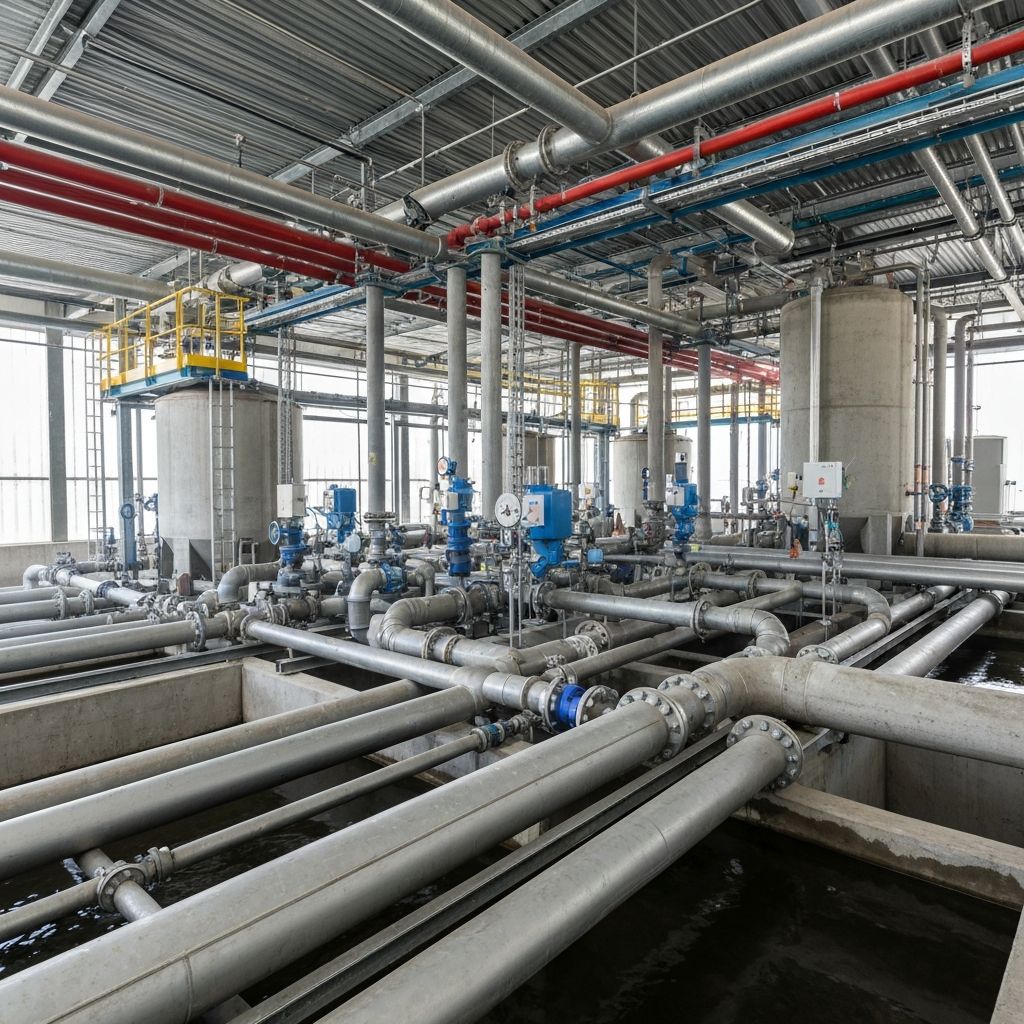
Management of small to mid-size utility entities, including bookkeeping, accounting, accounts receivable and accounts payable, regulatory reporting, supervision of staff/contractors, corporate administration, and periodic reporting.
Billing Services
Provide billing and customer service functions for utility entities, including printing and sending of monthly bills, database management, payment processing (including credit card, ACH), customer calls and inquiries.
Management Agreements
Negotiation and drafting of management agreements with regulated water and sewer utilities, non-profit utility providers, municipalities and special districts.
Physical Operations
Physical operation of small to mid-scale water and sewer systems.
Consulting and Development Functions
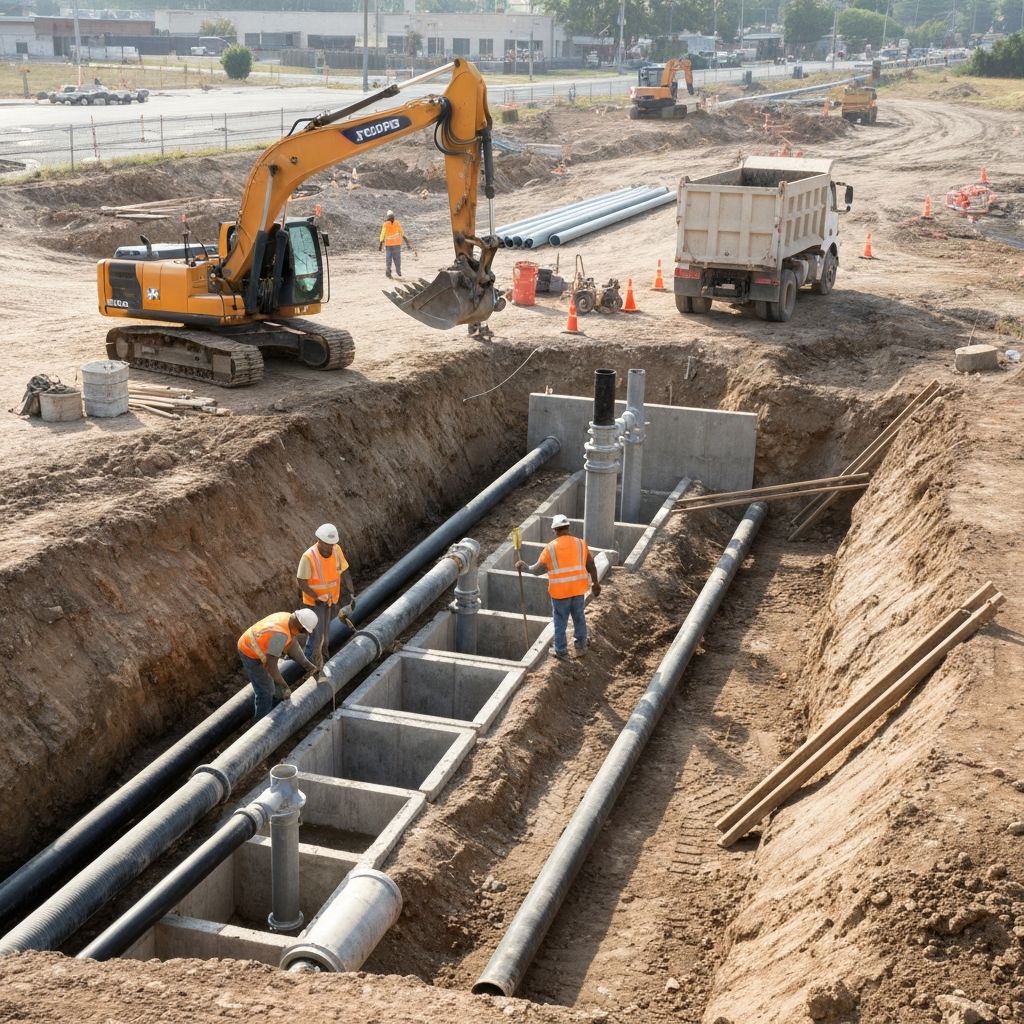
- Negotiation and drafting of utility development agreements (UDA) with the land developer and/or homebuilder.
- Consulting and advising services for developers, homebuilders, HOA’s and special districts on wastewater utility development, infrastructure phasing plans, regulatory approval processes, engineering coordination, and financing.
- Infrastructure planning designed to closely correlate the construction of plant and equipment with the actual pace of development.
Long Term Investments
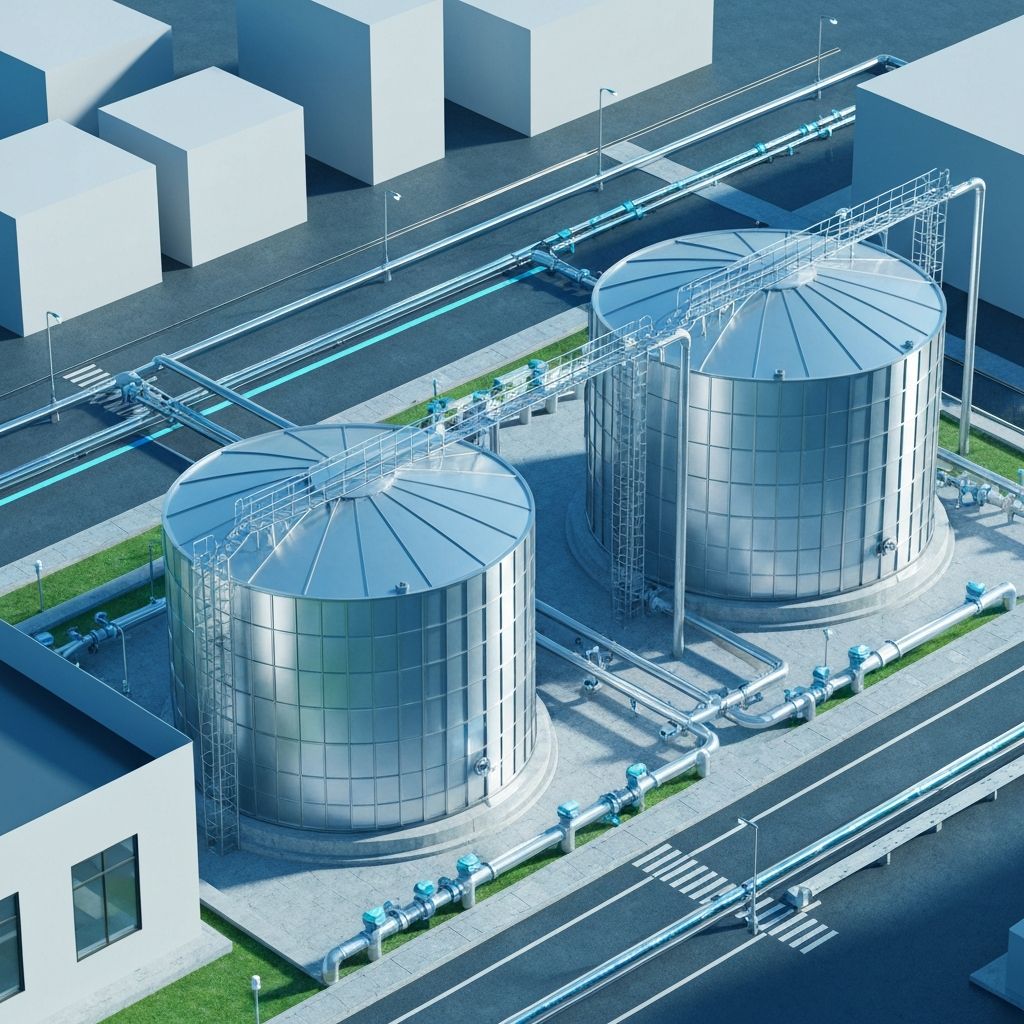
Why We Invest in Your Water System
Arizona’s water picture has changed. Surface and imported supplies are tighter than past plans assumed, while communities continue to grow. That means water utilities must be more proactive—maintaining infrastructure before it fails and using every drop as efficiently as possible.
Just like families plan ahead for a new roof or major home repairs, utilities must also plan for the future. The rates customers pay cover not only the daily work of delivering safe, reliable water, but also the long-term investments that keep systems strong for decades to come. Investing on schedule—rather than waiting for emergencies—costs less over time, reduces service interruptions, and helps protect water quality.
Rate cases ensure that today’s rates reflect the true cost of service while responsibly preparing for tomorrow. These planned investments help avoid costly emergency repairs and ensure dependable service as conditions change.
One example is Payson Water Company, where long-term planning and targeted infrastructure investments have strengthened water reliability and supply security for the community over time.
How We Upgrade and Maintain Infrastructure
Across our utilities, we are making targeted improvements to strengthen reliability and resilience:
- Replacing aging water mains and service lines to reduce leaks and breaks
- Rehabilitating wells, pumps, tanks, and valves to maintain consistent pressure, flow, and fire-response readiness
- Modernizing controls and monitoring technology so operators can detect and address issues before they become outages
These upgrades are carefully planned, prioritized, and executed to deliver the greatest long-term value to customers.
Results Customers Can Expect
- Stronger drought resilience through diversified supplies and increased storage
- Reliable fire flow and stable system pressure
- Less water lost to leaks, improving efficiency and sustainability
- Reduced risk of emergency outages and service disruptions
We welcome your questions and involvement—it’s an important part of keeping our water future secure for the whole community. And most of all, we invest in these improvements so you and your neighbors can count on safe, reliable water every single day.
Visit your utility’s website to learn about its rates and potential rate cases.
Visit the Arizona Corporation Commission’s website and learn more about its regulatory mission and how it serves the public and Arizona’s utility companies.